- 1/1
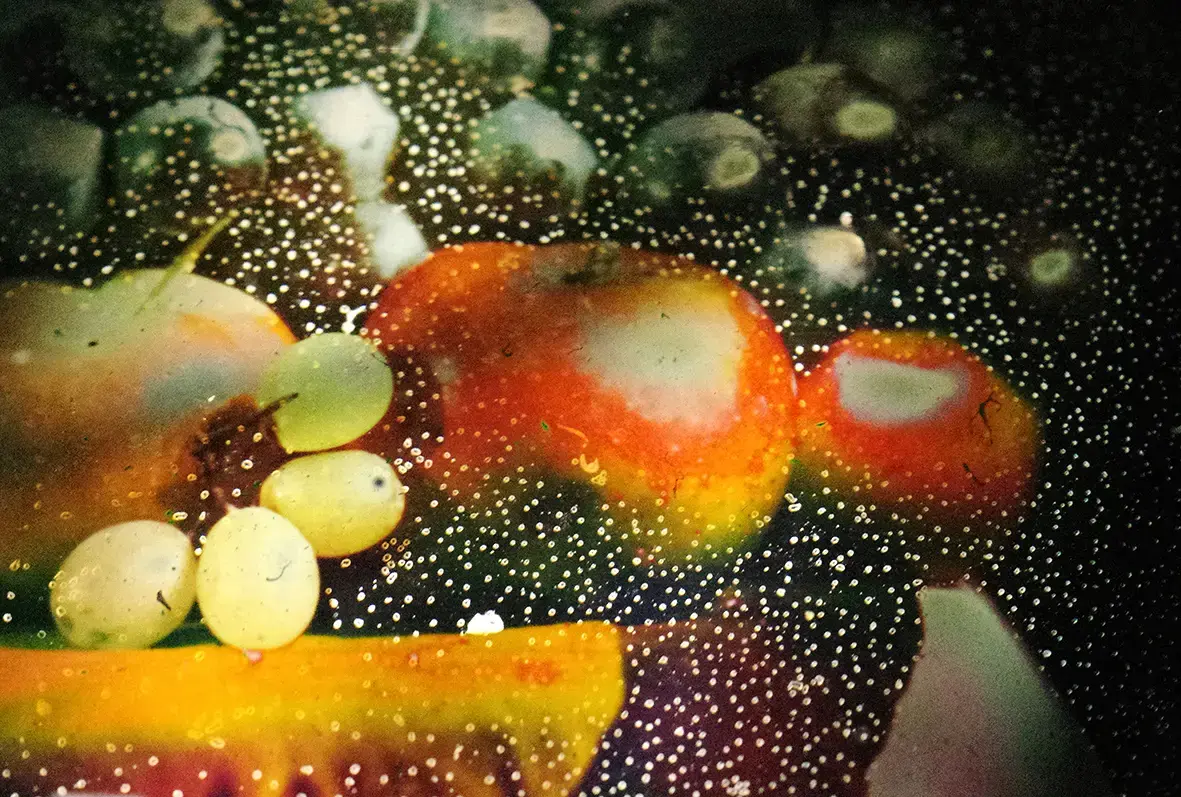
Lippmann-prosess, også kjent som interferensbasert fargefotografi. 12 cm × 8,9 cm. Glassplate med 10 graders kileprisme, 1908. Albert Narath-samlingen. Ana Gonçalves | Hans Lehmann
Are you an ICOM member?
Join us for this visit to Preus Museum and gain insight into the world’s first permanent technology for true color photography: Lippmann’s interference-based color photography.
The event will take place in the library, exhibition and conservation department at Preus Museum. Visitors will be guided through the presentation by Jens Gold, photograph conservator at the museum.
Preus Museum is Norway’s national museum of photography. The museum is located in Horten, approximately 80 km south of Oslo, on the western shore of the Oslofjord. Its idyllic setting on a peninsula is part of Karljohansvern, a former 19th-century naval base.
Photography’s First True Colors
This photographic color process exists in a wide range of conditions and presentation formats, which have a significant impact on the images’ vulnerability, stability and display characteristics.
Preus Museum holds an important collection of fourteen unique Lippmann color plates created by two key pioneers of the process: Richard Neuhauss and Hans Lehmann. The collection also includes a unique historical selection of books, articles and objects related to the Lippmann process.
- 1/2
Lippmann-prosess, også kjent som interferensbasert fargefotografi. 8,4 × 6,8 cm. Glassplate med 10 graders kileprisme, udatert. Albert Narath-samlingen, Preus museum. Richard Gustav Neuhauss | Jens Gold - 2/2
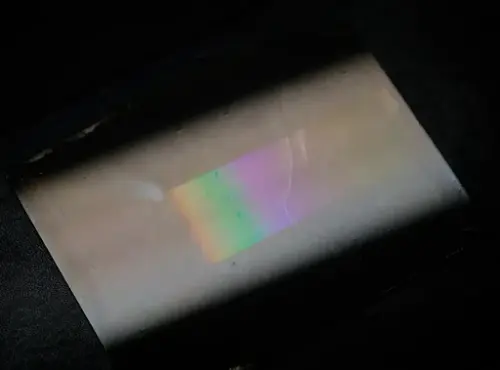
Colour Lippmann colour spectrum Jens Gold, Preus Museum
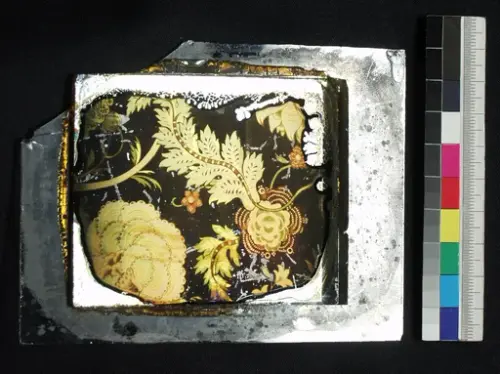
This collection of objects formed the basis of a recently completed four-year PhD research project, which began in the summer of 2021. The project aimed to investigate Lippmann color photography from the perspectives of materiality and history, as well as the challenges associated with its preservation and conservation.
The presentation will focus in particular on the legendary interference-based color photographs of Richard Neuhauss and Hans Lehmann. It will also provide a practical, hands-on introduction to the technology, its history, presentation formats, and the challenges involved in preserving Lippmann color plates.
Rare examples of interference-based color plates will be shown alongside replicas, materials, tools, and technology produced and used during the research project.
Registration has closed, but a few places are still available. If you are an ICOM participant and would like to attend, you can register your interest through ICOM CC 2026.